Introduction to Ironing Machines
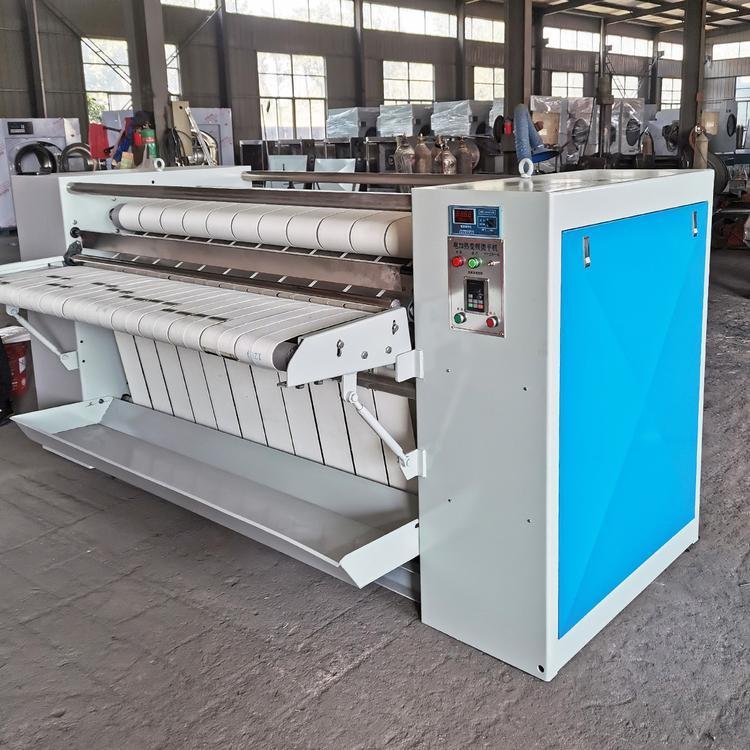
Ironing machines are essential household appliances designed to remove wrinkles from clothes. They utilize heat and pressure to smoothen fabric, ensuring garments look crisp and well-kept. Understanding the working principle of these machines can help users operate them more efficiently and extend their lifespan.
How Ironing Machines Operate
The fundamental operation of an ironing machine involves three main components: heat, pressure, and moisture. When the machine is powered on, it heats up the soleplate, which is in direct contact with the fabric. Users can adjust the temperature settings based on the type of material being ironed. For delicate fabrics like silk, lower heat settings are preferable, while heavier materials like cotton may require higher temperatures.
Key Features Enhancing Ironing Efficiency
Modern ironing machines often incorporate steam functions, which introduce moisture into the fabric. This steam helps in loosening the fibers of the cloth, making it easier to eliminate wrinkles. Additionally, many machines have built-in pressure mechanisms that enhance the effectiveness of the heat and steam. These features enable the ironing machine to provide a professional finish, making it an invaluable tool in both home and commercial settings.
In conclusion, the working principle of an ironing machine revolves around heating, pressure application, and moisture integration. Familiarizing oneself with these mechanisms can lead to better garment care and effective ironing results.